
Most companies focus on what happens inside the office, i.e., the productivity systems, meeting structures, workplace culture, and performance metrics. All of them matter.
But there’s a part of the workday that often gets overlooked, i.e., the commute. It’s about the time between home and work. It seems separate from business operations. Rather, this feels personal and outside company control.
But in reality, it affects how employees show up, how they perform, and how they feel throughout the day.
The Workday Doesn’t Start at the Desk
The workday for most employees doesn’t begin when they log in or sit down. However, this begins during the commute.
The factors like traffic, delays, crowded public transport, and unpredictable travel times – these experiences affect energy levels before the day even starts.
A stressful commute doesn’t just stay on the road; rather, it follows employees into the workplace, into meetings, conversations, and decision-making. By the time the workday officially starts, part of their focus is already gone.
Time Is Quietly Lost in Transit
Commuting takes time, and that’s expected. But what’s often underestimated is how that specific time feels.
An hour spent driving in traffic isn’t the same as an hour spent productively. It’s draining, repetitive, and mentally exhausting.
Over weeks and months, that lost time can build up.
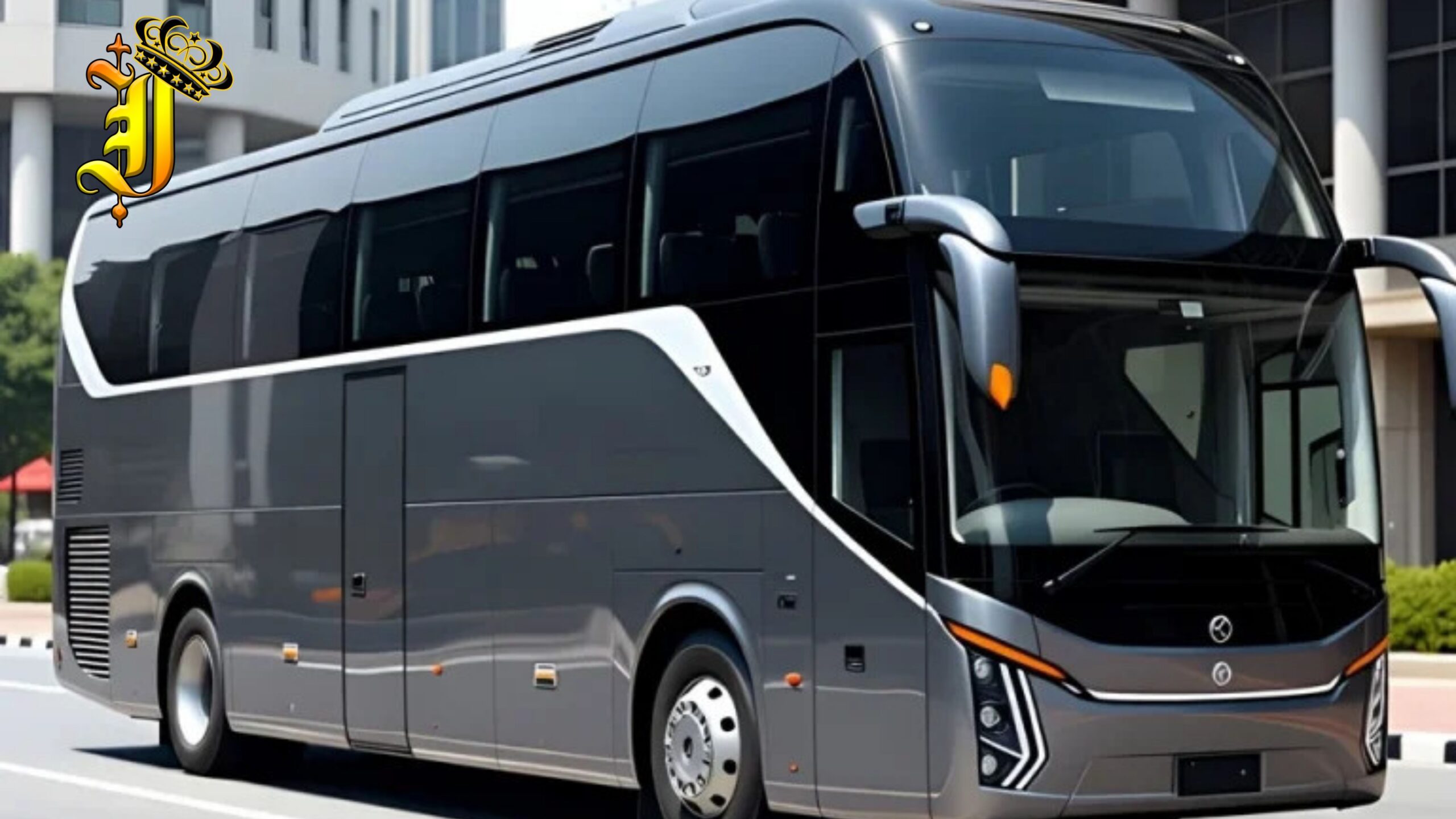
Employees start feeling that their day is longer than it should be, not because of work itself, but because of everything surrounding it. This is where structured solutions like charter bus services start changing the experience.
Rather than navigating traffic individually, employees move together—turning commute time into something more manageable, and often more relaxed.
Consistency Changes Everything
One major challenge with commuting is unpredictability.
Some days are smooth, while others aren’t, and that inconsistency creates stress.
Employees leave earlier than necessary “just in case” and worry about being late. They adjust their schedules around traffic patterns rather than focusing on their work. Reliable employee shuttle systems eliminate that uncertainty.
With fixed routes, consistent pickup times, and dependable travel conditions, employees start trusting the process. And when the commute becomes predictable, the remaining day feels more stable too.
Energy Carries into the Workplace
Energy is often treated as something that starts fresh every morning, but it doesn’t.
It’s highly influenced by everything that happens before work begins.
A long, frustrating commute reduces focus, affects mood, and lowers patience. On the other hand, a comfortable and smooth journey encourages employees to arrive feeling more prepared.
Some employees use the time to relax; others catch up on messages, and some simply enjoy not having to think about the road. That difference can show up in how they engage with their work.
Group Travel Builds Subtle Connections
Commuting is usually a personal experience. But when employees travel together, something changes. There’s a sense of shared routine, like casual conversations happen and familiar faces become part of the daily rhythm.
These small interactions never feel like team-building activities; but they build familiarity over time. And that familiarity often results in better collaboration at work.
This is a quieter benefit of organized transport solutions, when companies invest in charter bus services to support employee transportation.
Reducing Friction Improves Retention
Employee satisfaction isn’t shaped by one major factor; rather, it’s influenced by small, repeated experiences. A difficult commute is one of those experiences.
Over time, it becomes part of how employees evaluate their job; not just the role, but everything surrounding it.
When commuting seems like a constant struggle, it adds pressure. When this feels manageable, it removes one layer of stress from the day. This can influence retention more than expected for companies.
Sometimes, improving the journey to work makes the work itself feel more affordable.
Corporate Travel Extends Beyond Daily Commutes
Employee transportation isn’t limited to daily travel; however, corporate events, team-building retreats, conferences, and off-site meetings require coordination.
These moments are essential for company culture. But if travel arrangements feel disorganized, it impacts the experience before the event begins.
Reliable transportation ensures that employees arrive together, on time, and without any unnecessary stress. It keeps the focus on the purpose of the event instead of the logistics behind it.
Comfort Influences Productivity More Than Expected
Comfort is often seen as a luxury, but in the context of commuting, it’s practical.
Seating, space, temperature, and overall journey quality influence how employees feel during the journey.
A cramped or uncomfortable journey adds fatigue and a well-maintained, spacious vehicle allows employees to relax. Modern fleets designed for group travel often include features to make the commute more manageable. The features include comfortable seating, proper ventilation, and smooth travel conditions.
These details might seem small, but they shape the overall experience.
Flexibility Supports Different Needs
Every employee doesn’t have the same schedule. They have different shifts, different roles, and different start times.
Flexible transportation options enable companies to accommodate these variations without creating complications. From smaller minibuses to larger capacity vehicles, the ability to adjust based on group size and requirements can make a difference.
This adaptability makes the transportation solutions practical as the organization grows or changes.
Professional Coordination Makes It Smooth
Transportation involves more than just vehicles; rather, it requires coordination, routes, timing, safety, and reliability.
Experienced chauffeurs and organized systems ensure that everything runs smoothly without constant oversight. This removes the burden of managing logistics internally for companies.
Rather than dealing with multiple moving parts, they rely on a structured system that works consistently. This is where charter bus services become a practical solution for convenience and efficiency.
Safety Adds Another Layer of Value
Safety is often assumed and plays a central role in transportation.
Well-maintained vehicles, trained drivers, and proper safety measures can create a secure travel environment. This builds trust for employees. It ensures responsibility for companies.
When safety is handled professionally, it eliminates another layer of concern from daily operations.
The Bigger Picture
Employee commutes are easy to overlook because they happen outside the workplace, but they influence everything that happens inside it.
The energy levels, punctuality, focus, mood, and collaboration – every factor connects back to how employees begin and end their day. Improving the commute doesn’t require dramatic changes, but it requires attention.
Conclusion
Most companies invest in tools, systems, and strategies to boost their performance.
But sometimes, the most effective improvement happens before the workday even starts. A smoother, more reliable commute creates a better starting point as it reduces stress. It saves time. It supports consistency.
And over time, those small changes can affect how employees experience their work. When the journey to work feels easier, everything that follows tends to work better. Consider seeking help from Jay C Tours when checking out the charter bus services for employee transportation.


